
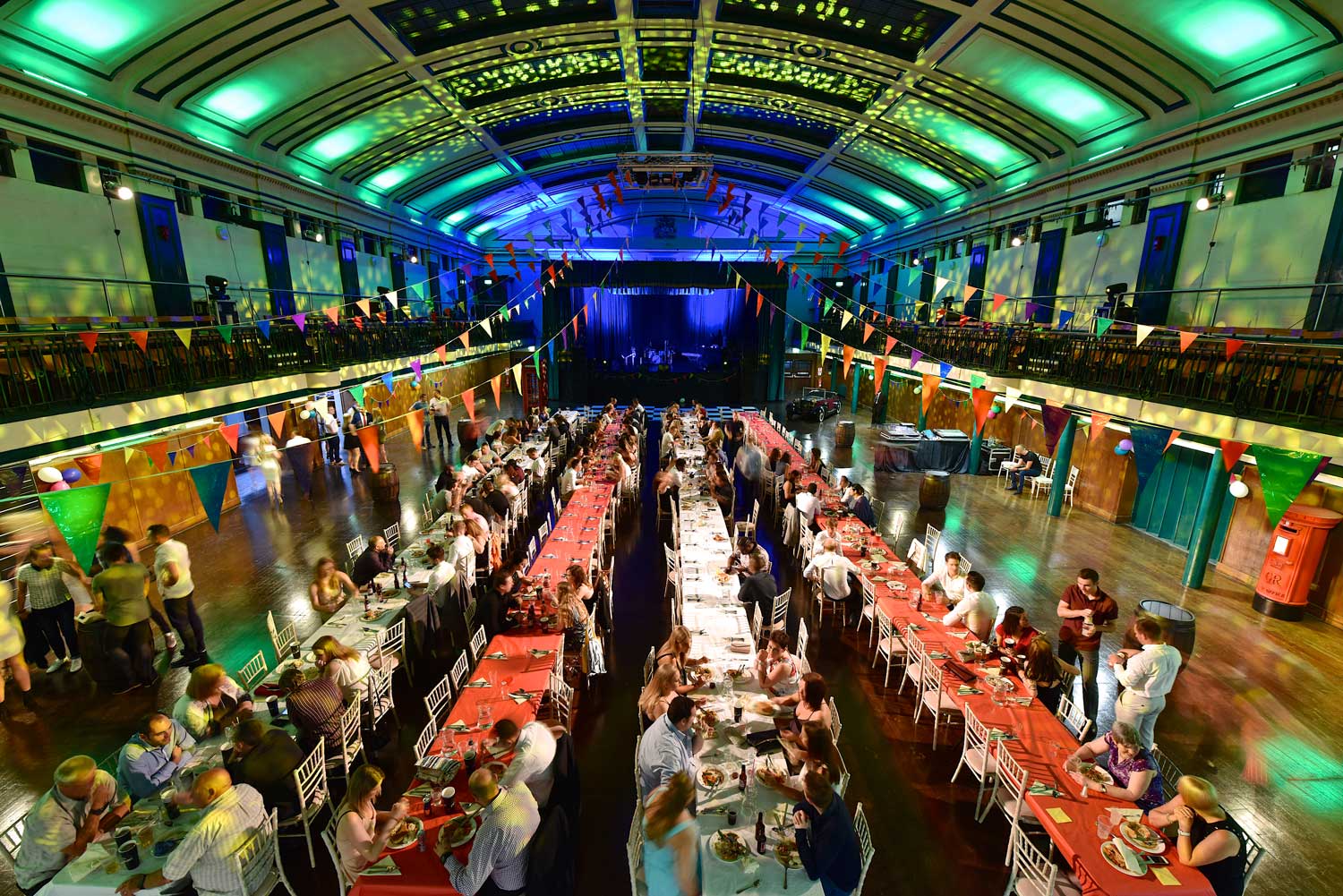
London is one of the most exciting cities in the world to host a corporate event. It is also one of the most demanding. The range of venues is extraordinary, the logistics are complex, and the expectations of attendees, clients, and stakeholders are high. Getting it right takes more than a good venue and a catering brief.
Whether you are planning a conference for 200 delegates, a product launch for a brand’s audience, or an awards evening that needs to land with real impact, the production decisions you make early in the process will define the quality of the experience on the day. This guide walks you through what those decisions are, when to make them, and what experienced production teams are managing behind the scenes so your event runs without a hitch.
Start With the Brief, Not the Venue
The most common mistake in corporate event planning is choosing a venue before the brief is fully formed. A venue might look exceptional on paper, but if it cannot support your technical requirements, accommodate your audience comfortably, or reflect the tone you are trying to create, it will create problems that no amount of production expertise can fully resolve.
Before anything else, get clear on the fundamentals. What is the objective of the event? Is this about internal engagement, client relationships, brand awareness, or product education? Who is the audience, and what do you want them to feel when they leave? What is the format: keynote presentations, panel discussions, networking, live entertainment, or a combination of all of these? What tone are you setting, formal and prestigious, or energetic and immersive?
The answers to these questions should inform every decision that follows, from venue selection through to technical production, supplier sourcing, and on-the-day delivery. Skipping this step is where budgets get stretched, and expectations get missed.
Choosing the Right London Venue for Your Production Needs
London offers an enormous range of event spaces, from purpose-built conference centres and luxury hotels to historic halls, industrial warehouses, and unique cultural venues. The choice is genuinely exciting, but it also means venue selection takes more scrutiny than most people expect, particularly when production is part of the picture.
From a production standpoint, the questions that matter most are often the ones that get asked last. Power infrastructure, ceiling heights, load-in restrictions, and how a venue’s resident technical team interacts with an external production supplier are all details that can significantly affect your event if they are not addressed early. These are the conversations an experienced production partner will lead from the first site visit, long before contracts are signed.
In London specifically, access logistics deserve particular attention. Many of the city’s most sought-after venues sit in areas with significant restrictions on vehicle access, delivery windows, and parking for production vehicles. These are not insurmountable challenges, but they need to be factored into your timeline and supplier coordination from the outset. An experienced production partner who has worked across London venues will know what to anticipate and how to plan around it.
Building a Production Timeline That Actually Works
One of the most underestimated aspects of corporate event planning is how much time quality production takes. The visible part of an event, the moment doors open and guests arrive, represents a fraction of the work involved. Everything behind it depends on a timeline that has been planned carefully and realistically from the start.
Most organisers are surprised by how far out the production timeline actually starts. Supplier lead times, technical specifications, venue access windows, and rehearsal schedules all need to be locked in well before the event date, and for larger productions, that process can begin months in advance. Miss a milestone, and it creates pressure somewhere else down the line. A production partner who has run hundreds of events will see those pressure points coming before you do.
A technical recce of the venue is an essential step that is frequently skipped or left too late. Walking the space with your production team before the event allows you to identify access challenges, confirm power availability, assess acoustics, and finalise the technical layout before anything is ordered or built. The time this saves on the day of the event is considerable.
Build contingency into every stage of the timeline. Supplier delays, venue access issues, and last-minute client changes are a normal part of live event production. The teams that deliver consistently are the ones who plan for disruption rather than hoping it will not happen.
What the Technical Production Actually Involves
The technical side of a corporate event covers far more ground than most people realise until they are deep into the planning process. Sound system design, lighting, staging, AV, rigging, and power infrastructure all need to be specified, sourced, integrated, and operated by people who understand how they interact with one another. When one element is off, the audience feels it, even if they cannot tell you why.
Audio is where events most visibly succeed or fail. A poorly specified sound system in the wrong room, or a microphone setup that has not been properly tested, will undermine even the strongest content. Lighting shapes the atmosphere from the moment guests walk in and needs to be designed with the event format in mind, not just its aesthetics. Staging and set design create the visual anchor for everything that happens on stage, and the decisions made here directly impact how the audience perceives the brand and the event.
AV and video content delivery, whether that is a single presentation screen or a multi-camera live production with streaming capability, adds another layer of technical complexity that requires experienced operators. And running underneath all of it is the power and infrastructure planning that makes everything else possible. None of this is something an organiser should be expected to manage without specialist support.
A good production partner takes ownership of all of it. They assess the venue, specify the right equipment for the brief, manage the technical build, and operate everything live on the day. When it works well, nobody in the room is thinking about the production. That is exactly the point.
Suppliers, Crew, and Keeping It All Coordinated
A corporate event in London will typically involve multiple suppliers operating in the same space across the same timeline. Venue catering, AV and production, staging, entertainment, security, and front-of-house teams all need to be coordinated with precision. When each of those relationships sits with a different point of contact, the risk of miscommunication, scheduling conflicts, and last-minute surprises increases significantly.
This is one of the strongest arguments for working with a full-service production partner who can act as the central point of coordination across all technical and logistical workstreams. Rather than managing multiple supplier relationships yourself, your production partner takes ownership of those conversations, ensures every team is briefed to the same standard, and keeps the overall delivery on track.
For events involving agencies or in-house brand teams, this matters even more. A production partner who can take a brief, translate it into a technical and logistical plan, and get on with it is worth considerably more than one that needs constant direction. That kind of working relationship takes pressure off everyone.
What a Production Team Is Managing on the Day
By the time your guests arrive, a professional production team will have already been on site for hours. Load-in, rigging, system testing, sound checks, lighting programming, and a full technical rehearsal all happen before doors open, and all of it needs to run to a schedule that accounts for the venue’s own timeline and any other suppliers working in the space.
During the event, the production team manages the live technical operations in real time. Sound levels, lighting cues, presentation content, video switching, and any live elements all require active oversight from experienced operators. When something does not go to plan, and in live events, something almost always requires a last-minute adjustment, it is the production team that responds quickly and quietly so the audience never notices.
After the event closes, the work continues. De-rig, equipment recovery, and venue restoration all need to be completed within the window the venue has allocated, often late into the evening. A professional production team manages this as part of the overall delivery, leaving the event organiser free to focus on guests and follow-up rather than overseeing a breakdown. If you are working with venues or agencies across London, having a trusted production partner embedded in that relationship from the outset means less friction, faster decisions, and a smoother experience for everyone involved.
Plan Your London Corporate Event With Pro Event Solutions
Pro Event Solutions delivers corporate event production across London and the South East, working with brands, agencies, and venues to bring events to life with precision and creativity. From technical equipment and crew through to full end-to-end production management, we build our service around what your event actually needs.If you are in the early stages of planning or already deep into the details and need an experienced production partner to take the weight, we would love to hear about your event. Get in touch via our contact form, and a member of the team will come back to you promptly.