
Sound is the element of an event that people notice most when it goes wrong and barely register when it goes right; that imbalance is exactly why it deserves more thought than it usually gets. A sound system that works perfectly in one venue can sound thin, muddy, or overpowering in another, because the room itself is as much a part of the system as the equipment.
This sound system guide walks through the key factors that determine the right sound setup for a venue, so you know what questions to ask before anything gets booked.
Why Sound Systems Are Never One-Size-Fits-All
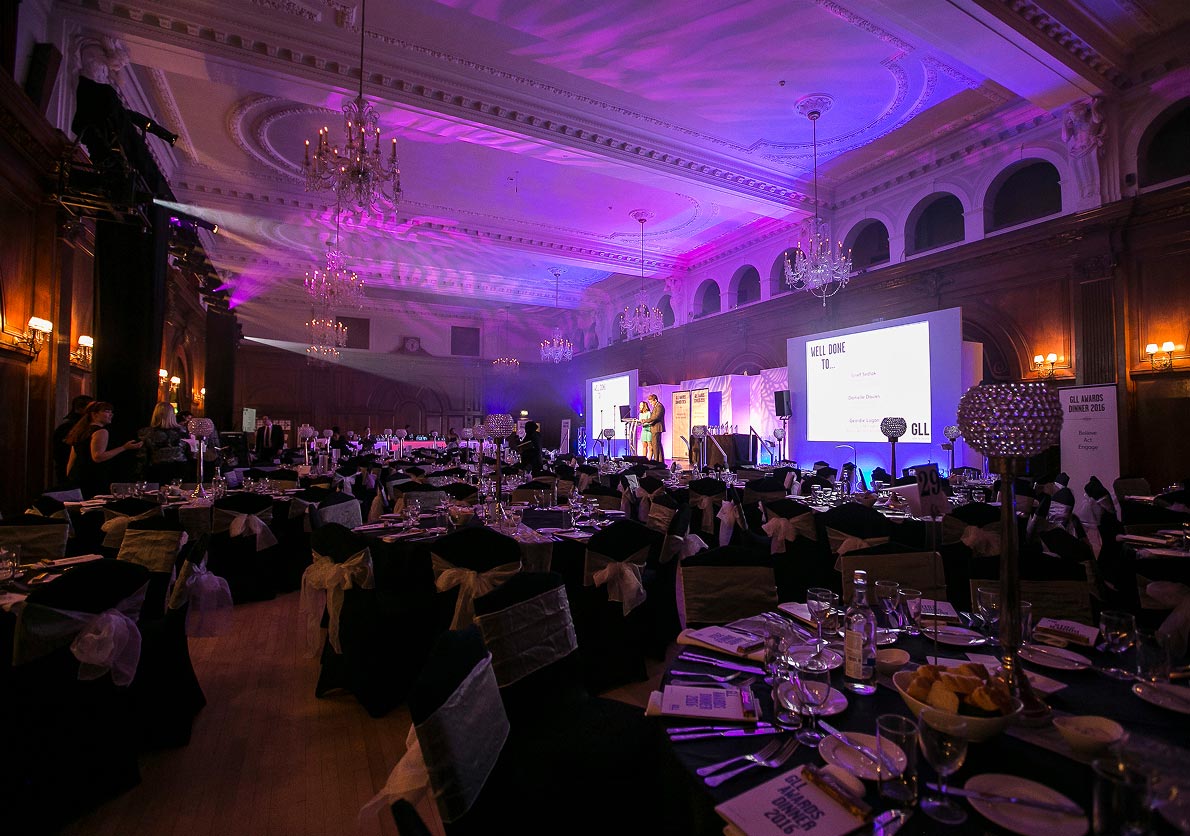
The same speakers, positioned the same way, will sound completely different in a hotel ballroom, a marquee, and a converted warehouse. Ceiling height, wall materials, floor coverings, and room shape all affect how sound behaves. Hard surfaces cause reflections and echo. Soft furnishings absorb sound and can make a system feel underpowered even when it has plenty of output. A sound system genuinely has to be designed around the space it is going into, not simply dropped in and switched on.
Start With the Room, Not the Equipment
Before any equipment gets chosen, the room needs to be understood. This means the dimensions, the ceiling height, the surface materials, and the audience’s actual position relative to the stage or speaking area. It also means understanding the room’s acoustic quirks. Long, narrow rooms often need more careful speaker placement to avoid uneven coverage. Rooms with a lot of glass or hard flooring tend to be more reflective and need more thoughtful system design to avoid a harsh, echoing sound.
A supplier who asks detailed questions about your venue before recommending equipment is doing this properly. One who quotes generic packages based on guest numbers alone is not accounting for how the room will actually behave.
Match the System to the Audience Size and Layout
Audience size drives how much coverage a sound system needs to provide, but it is not the only factor. A seated audience facing a single stage needs different coverage than a standing audience spread across an open floor, or a room with multiple zones such as a dining area and a dance floor.
For smaller, more intimate events, a compact PA system with well-placed speakers is often all that is required. For larger conferences and events with a wide or deep audience area, distributed speaker systems help maintain even, clear sound throughout the room rather than relying on a few large speakers to cover the whole space, which often results in the front being too loud and the back barely audible.
Consider What the System Actually Needs to Handle
A sound setup for a corporate conference with a single presenter and slides has very different demands to one supporting live music, multiple speakers, video content, and audience interaction. Think through what the system will actually be reproducing. Speech alone requires clarity and intelligibility above all else. Music, particularly with bass-heavy content, requires a system with the range and power to handle it without distortion. Mixed events, which cover both, need a system flexible enough to move between the two without a full reconfiguration mid-event.
Microphones Deserve as Much Thought as Speakers
It’s easy to focus entirely on speakers and overlook the microphone setup, but poor microphone choice is one of the most common causes of bad sound at events. A single handheld mic being passed between multiple speakers creates awkward pauses and inconsistent audio. Lapel mics need to be fitted correctly to avoid rustling against clothing. Panel discussions with several speakers need enough channels and the right mix of mic types to keep everyone audible without feedback or crossover.
Don’t Forget Acoustic Treatment for Difficult Spaces
Some venues, particularly those not originally designed for events, need more than a well-chosen system to sound right. Warehouses, marquees, and large open halls can benefit from acoustic treatment such as drapes, banners, or soft flooring to reduce reflections and improve overall clarity. This is often overlooked, but it can make a bigger difference to how a room actually sounds than upgrading the speakers themselves.
Why Working With a Technical Partner Matters Here
Choosing a sound system is not really an equipment decision; it is a room-and-audience decision, and equipment is simply the outcome of getting those two things right. Working with an experienced technical production partner means the system is designed around your specific venue and event rather than pulled from a standard package, and that it’s properly set up, tuned, and operated on the day rather than left running unattended.
Getting Sound Right for Your Venue
At Pro Event Solutions, we assess each venue individually before recommending a sound setup, because the right system depends entirely on the room, the audience, and the event’s goals.
If you are planning an event and want sound that is designed around your specific space rather than a generic package, get in touch, and we’ll talk through what your venue actually needs.