
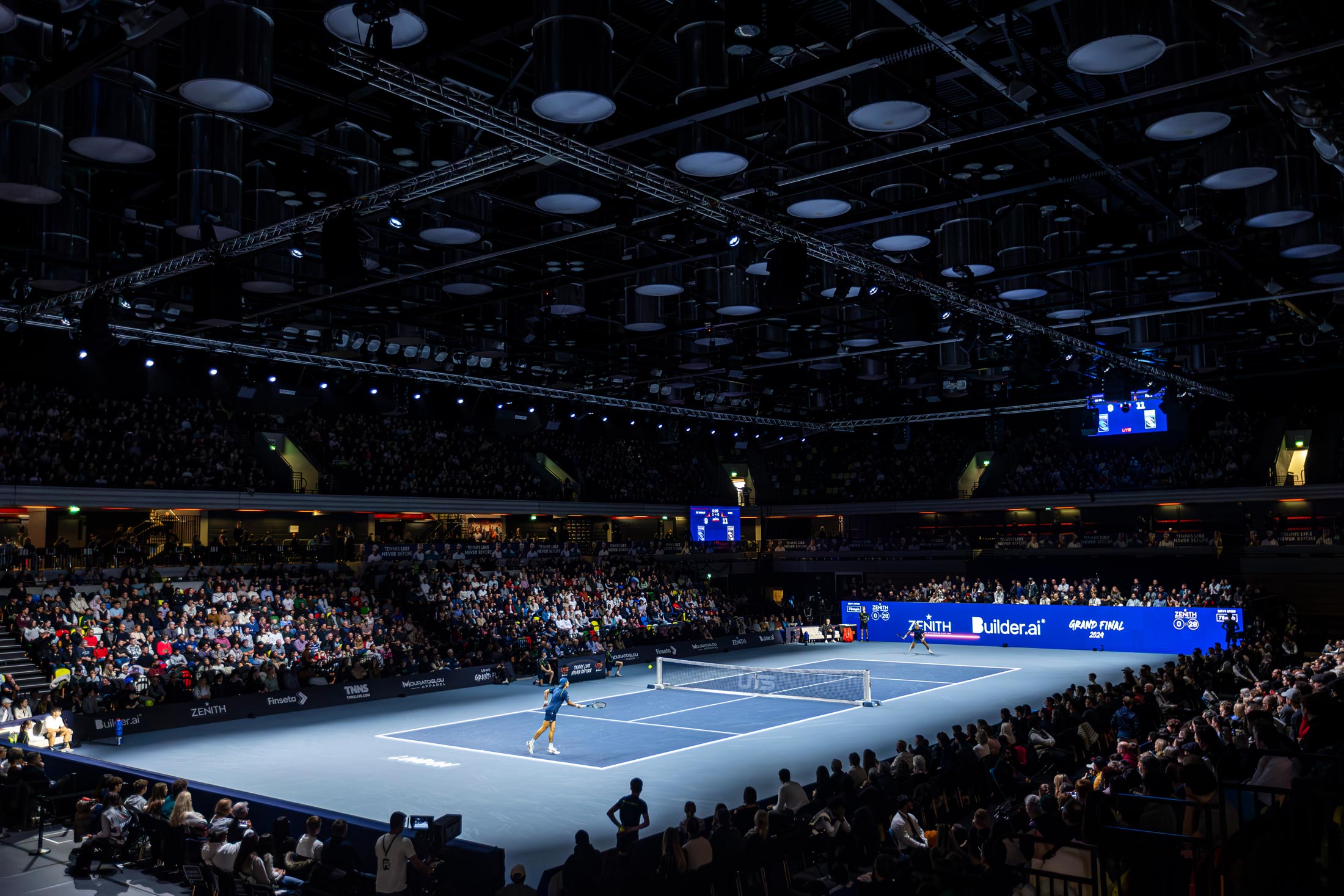
“AV hire” gets used as a catch-all term for almost anything technical at an event, and that’s exactly where most of the confusion starts. Ask three different suppliers what is included in AV hire, and you’ll likely get three different answers. Some mean a microphone and a projector; others mean a fully engineered sound, lighting, and visual system built around your specific room and audience. Knowing the difference before you start hiring is what separates a smooth event from one spent firefighting technical problems that should never have happened.
This blog breaks down what AV hire actually covers, what most events genuinely need, and how to avoid paying for the wrong things while missing the ones that matter.
What Does “AV” Actually Mean?
AV stands for audio-visual, but in a live event context, it encompasses a much wider range of equipment and expertise than the term suggests. At its core, AV hire typically includes sound systems and microphones, screens and projection, lighting for stage and audience areas, and the cabling, power distribution, and control systems that tie it all together. For more complex events, it can also stretch to include live streaming, video switching, staging, and rigging.
The confusion tends to happen when people assume AV hire is simply a list of equipment delivered to a venue. In reality, the equipment is only part of the picture. The value of good AV hire lies in the planning behind it, the technical knowledge to set it up correctly for your specific space, and having someone on hand to operate and troubleshoot it while your event is running.
What You Actually Need Depends on Three Things
There is no single AV package that fits every event, because requirements are shaped by three core factors.
The Venue – A hotel ballroom, an outdoor marquee, and a converted warehouse all behave completely differently acoustically and visually. A sound system that works beautifully in one space can sound harsh or hollow in another. Ceiling height, room shape, and existing infrastructure all affect what equipment is genuinely required.
The Audience & Format – A seated conference for 200 people with a single presenter has very different needs to a standing product launch with music, video content, and multiple speakers. Audience size drives sound coverage, screen size, and microphone requirements, while format drives how much flexibility and live operation is needed.
The Content Itself – Are you running slides, video, live music, or a mix of all three? Is there a need for audience Q&A, hybrid streaming, or simultaneous translation? The more complex the content, the more technical planning is required behind the scenes to make it run smoothly.
The Core Elements Most Events Need
While every brief is different, most events draw from the same core building blocks.
Sound
This usually means a PA system sized correctly for the room and audience, along with the right number and type of microphones for however many speakers or performers you have. Getting sound wrong is one of the fastest ways to lose an audience’s attention, so this is rarely an area worth cutting corners on.
Screens and Projection
Whether it is a single confidence monitor for a speaker or large-format LED screens for a product reveal, the choice of screen depends heavily on room size, ambient light, and viewing distance. A screen that looks fine in a small meeting room will be unreadable at the back of a large hall.
Lighting
Even a simple event benefits from proper lighting: it affects how speakers are seen, how the room feels, and how photography and video content will look afterwards. Lighting is often underestimated, yet it has one of the biggest visual impacts on a space of all the items on this list.
Power and Cabling
Rarely discussed but always essential. Reliable, correctly distributed power is what keeps everything else running without interruption, and it needs to be planned for, not assumed.
Where Equipment Ends, and Expertise Begins
The single biggest mistake we see is treating AV hire as a delivery of boxes rather than a service. Equipment on its own does not guarantee a good result – a PA system needs to be positioned and tuned correctly for the room. Lighting needs to be rigged and focused with intention, and microphones need to be checked, tested, and managed live, particularly when there are multiple speakers or presenters moving around.
This is where working with a proper production and AV partner rather than a straightforward hire company makes a real difference. A good technical team will ask about your event before quoting any equipment at all, because the brief should shape the kit list, not the other way round.
Questions Worth Asking Before You Hire
Before committing to an AV supplier, it is worth asking who will actually be on site during your event, not just who is delivering the equipment. Ask whether the quote includes setup, testing, and live operation, or whether you are expected to manage the technology yourself once it arrives. Ask how they would approach your specific venue, since a supplier who has not asked detailed questions about your space is unlikely to have thought it through properly.
Getting the Right AV Support for Your Event
AV hire done well is barely noticeable. The sound is clear, the visuals look sharp, and everything simply works, which is exactly the point. It is only when it is done poorly that people start to notice, usually at the worst possible moment.
At Pro Event Solutions, we start every AV brief with a conversation about your event rather than a price list, because the right setup is always specific to the room, the audience, and what you are trying to achieve.
If you are planning an event and want AV support tailored to your brief rather than a generic package, get in touch and our team will talk it through with you.